What is Steel Fabrication? Understanding Processes, Benefits, and Applications
Steel fabrication is a critical component of various industries, playing an integral role in the construction, automotive, and manufacturing sectors. According to recent data from the Fabricators & Manufacturers Association, over 1.3 million tons of fabricated steel are produced annually in the United States alone, showcasing the vast scale and importance of this process. With a projected growth rate of 5.4% from 2021 to 2028, the steel fabrication market continues to expand, driven by increasing demand for infrastructure development and advanced manufacturing techniques.
Understanding the processes involved in steel fabrication is key to appreciating its benefits and applications. This intricate process involves cutting, bending, and assembling raw materials into specific structures that meet the requirements of various projects. The efficiency and precision achieved in steel fabrication not only contribute to improved project timelines but also ensure durability and safety in the final products. Furthermore, the adoption of advanced technologies, including automation and precision welding, enhances the overall quality of fabricated steel components, proving essential in meeting the stringent industry standards.
As the global economy continues to evolve, the significance of steel fabrication cannot be underestimated. With applications ranging from building skyscrapers to producing components for machinery, the versatility of fabricated steel is evident. The steel fabrication industry stands at the intersection of innovation and necessity, propelling forward as it adapts to the ever-changing demands of modern infrastructure and manufacturing.
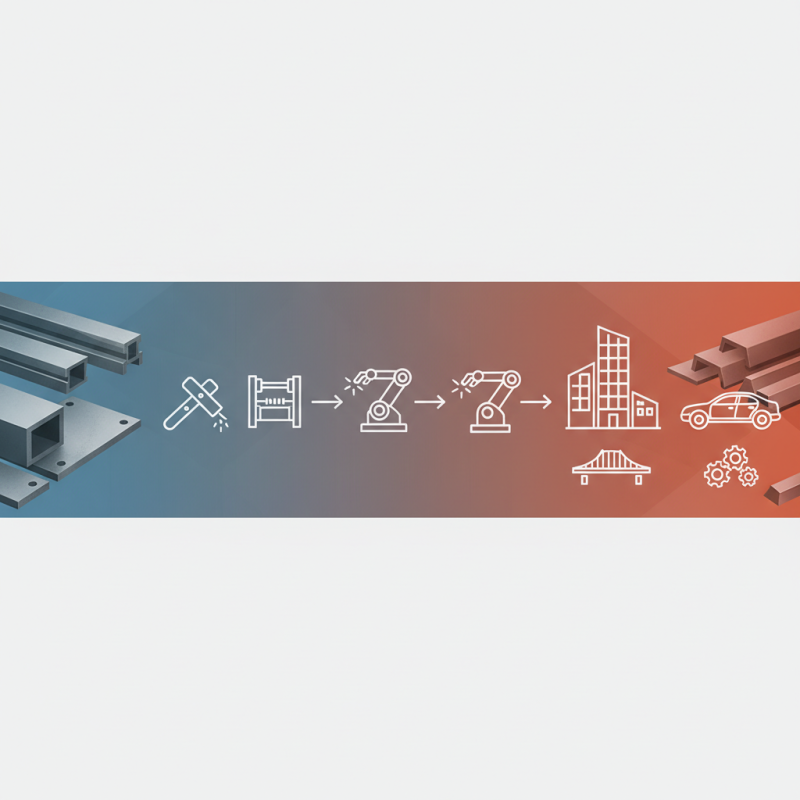
What is Steel Fabrication? A Comprehensive Overview
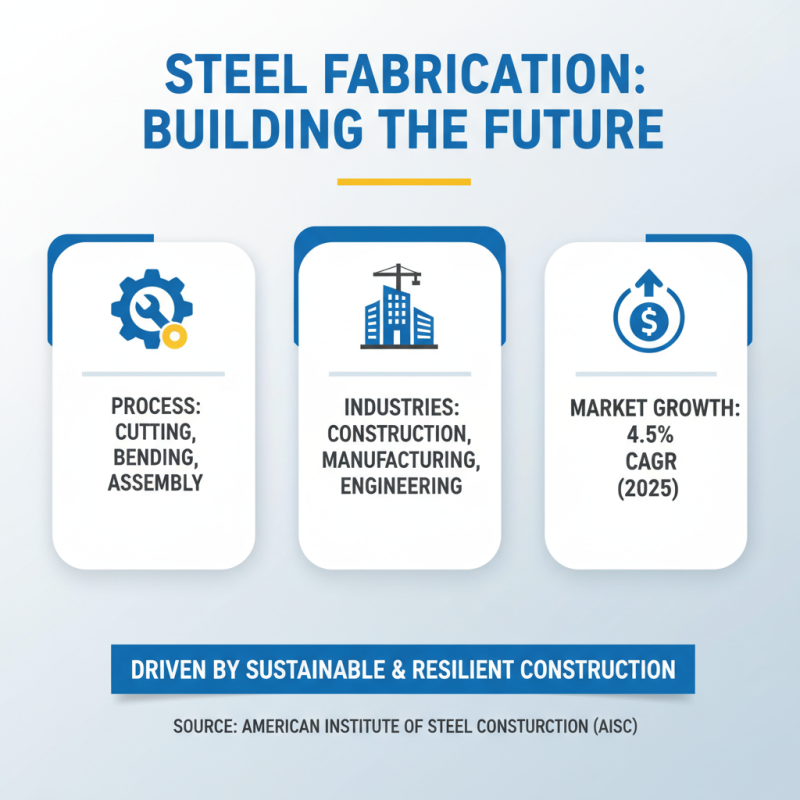
Steel fabrication is a crucial process in various industries, playing a significant role in construction, manufacturing, and engineering. It involves the creation of metal structures by cutting, bending, and assembling steel materials. According to the American Institute of Steel Construction (AISC), the steel fabrication market is expected to grow at a compound annual growth rate (CAGR) of 4.5% through 2025, thanks to the increasing demand for sustainable and resilient construction practices.
The benefits of steel fabrication are manifold. Steel is renowned for its strength-to-weight ratio, which allows for lighter structures without compromising durability. Additionally, fabricated steel components can be manufactured off-site, leading to reduced construction timelines and minimized waste. The pre-engineered nature of these components enhances precision, resulting in better quality control and overall project efficiency. Reports indicate that projects employing steel fabrication can see time savings of up to 30% compared to traditional methods.
**Tip:** When considering steel fabrication for your project, ensure that you work with certified fabricators who meet the necessary industry standards, as this can significantly impact the quality and safety of the final product.
Furthermore, steel fabrication supports a wide range of applications, from bridges and high-rise buildings to vehicle manufacturing and industrial equipment. The versatility of steel makes it a preferred choice for architects and engineers aiming for innovative designs and sustainable solutions. As industries evolve, staying informed about the latest fabrication technologies and practices is essential for maintaining competitive advantage.
**Tip:** Explore advancements like computer-aided design (CAD) and robotic welding in steel fabrication, as these technologies can enhance precision and efficiency while reducing labor costs.
Key Processes Involved in Steel Fabrication
Steel fabrication is an essential process in construction and manufacturing that involves the cutting, bending, and assembling of steel structures. Among the key processes involved in steel fabrication are
cutting,
welding, and
finishing.
Cutting can be accomplished through various methods, such as laser cutting, plasma cutting, and sawing, which allow for precision and efficiency. According to industry reports, the global laser cutting machine market alone is projected to reach $4.4 billion by 2025, highlighting the technological advancements and demand for precise metalworking capabilities.
Welding is another critical process in steel fabrication, used to join metal parts effectively. Techniques such as MIG (Metal Inert Gas) and TIG (Tungsten Inert Gas) welding are prevalent due to their reliability and strength in creating durable joints. A survey by the American Welding Society indicates that the welding industry contributes over $45 billion to the U.S. economy and employs more than 500,000 professionals, underscoring the significance of welding in various sectors, including construction, automotive, and shipbuilding.
Finally, the finishing process in steel fabrication involves treating the surfaces of steel components to enhance durability and protect against corrosion. This can include processes like sandblasting, painting, and galvanizing. According to a report from Research and Markets, the global steel coatings market is expected to grow significantly, driven by the increasing need for protected and sustainable steel products. These key processes not only enhance the performance and longevity of steel structures but also play a vital role in meeting the ever-evolving demands of various industries.
Benefits of Steel Fabrication in Various Industries
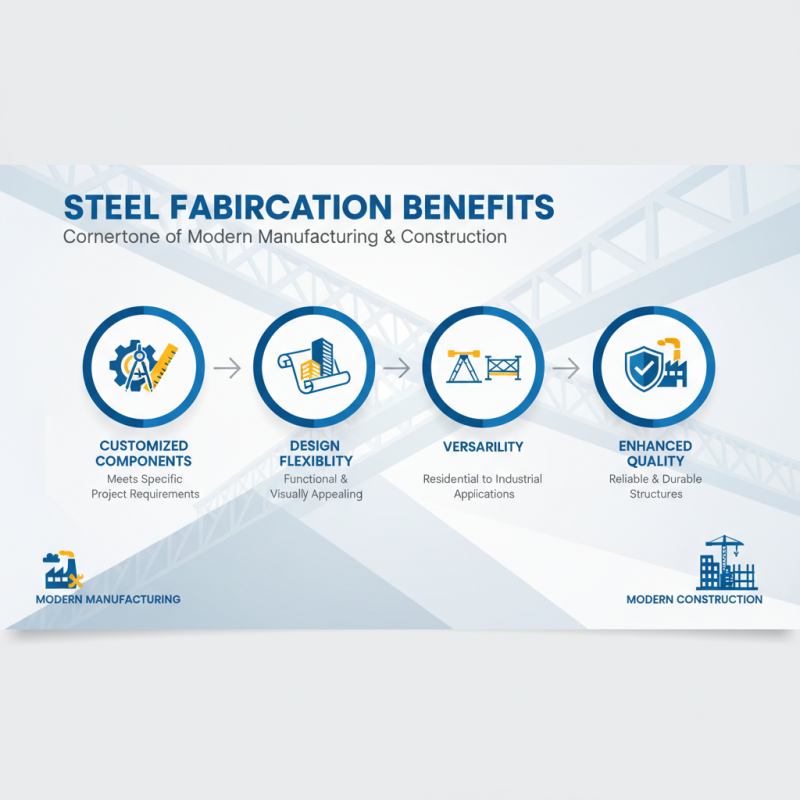
Steel fabrication offers numerous benefits across various industries, making it a cornerstone of modern manufacturing and construction. One of the primary advantages is the ability to create customized components that meet specific project requirements. This flexibility allows engineers and architects to design structures that are both functional and visually appealing, enhancing the overall quality of constructions. Whether it's lightweight frames for residential buildings or heavy-duty structures for industrial applications, steel fabrication provides the versatility needed to address diverse challenges.
Furthermore, steel fabrication contributes to increased efficiency and productivity. The processes involved, such as cutting, bending, and welding, can be streamlined using advanced technology and machinery. This not only reduces lead times but also minimizes material waste, resulting in cost savings for businesses. In sectors like automotive and aerospace, where precision and speed are critical, the benefits of steel fabrication become even more pronounced, leading to shorter production cycles and improved performance of the final products. As industries continue to evolve, the role of steel fabrication remains essential in supporting innovation and growth.
Common Applications of Fabricated Steel Products
Steel fabrication plays a crucial role across various industries, facilitating the development of structural components and custom steel products. Common applications of fabricated steel include construction, automotive manufacturing, and infrastructure development. In construction, for instance, fabricated steel is widely used in building frames, bridges, and high-rise structures due to its strength and versatility. According to the American Institute of Steel Construction (AISC), the use of structural steel can reduce construction time by up to 30% compared to traditional materials, making it a preferred choice for contractors aiming for efficiency.
In addition to construction, the automotive industry utilizes fabricated steel in the production of vehicle chassis, frames, and various components, contributing significantly to the overall strength and safety of vehicles. Reports indicate that fabricated steel components account for approximately 65% of a vehicle's weight, highlighting its essential role in automotive design. The effectiveness of fabricated steel in infrastructure, such as pipelines for oil and gas, is also notable, with fabrication methods allowing for the production of custom shapes and sizes that meet specific operational needs. As infrastructure projects continue to grow around the world, the demand for fabricated steel products is expected to rise, reinforcing its importance in modern engineering and construction.
Future Trends and Innovations in Steel Fabrication Techniques
The realm of steel fabrication is continuously evolving, driven by advancements in technology and the growing demand for efficient construction practices. Future trends are increasingly focused on automation and the integration of cutting-edge technologies such as robotics, which streamline fabrication processes and enhance precision.
Automated systems reduce manual labor, minimize human error, and allow for greater customization in production. This shift not only speeds up fabrication timelines but also enables the creation of more complex and intricate designs that were previously challenging to execute.
Moreover, innovative techniques in steel fabrication are emphasizing sustainability and energy efficiency. The industry is seeing a rise in the use of eco-friendly materials and processes that reduce waste and energy consumption.
Techniques such as 3D printing and modular construction are being explored, allowing for the assembly of smaller, pre-fabricated components that can significantly reduce on-site construction time and resource usage. As the demand for sustainable building practices grows, steel fabrication is poised to lead the charge, providing solutions that align with environmental goals while maintaining structural integrity and design flexibility.