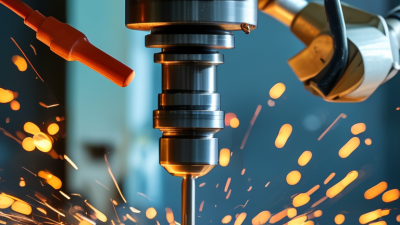
China Top Copper Machining Manufacturers for Global Buyers
China has become a major sourcing destination for precision copper machining, serving electrical, automotive, energy, plumbing, and industrial equipment markets. Global buyers can find manufacturers capable of producing busbars, terminals, connectors, heat sinks, and custom copper components.
The strongest suppliers combine CNC turning, milling, stamping, forming, and surface finishing under controlled production systems. They also understand copper’s high conductivity, softness, heat transfer, and tendency to deform during processing. Details matter. A reliable factory should explain alloy selection, dimensional tolerances, burr control, tooling plans, and inspection methods before production begins.
This guide examines China’s leading copper machining manufacturers from a buyer’s practical perspective. It considers equipment, engineering support, material traceability, quality procedures, export experience, and communication reliability. ISO 9001 certification may support confidence, but it should not replace factory audits or sample inspection. Proof matters.
Buyers should request drawings, first-article reports, material certificates, and clear packaging specifications. Photos of machines are useful, yet they cannot confirm production consistency. Ask how suppliers manage conductivity requirements, flatness, plating, and repeat orders. Small details often affect field performance.
No supplier is perfect. Lead times can change, quoted tolerances may need clarification, and technical communication can fail without written records. Careful comparison remains necessary. The right partner is not always the cheapest manufacturer. It is the one that can repeatedly deliver compliant parts, communicate limitations honestly, and improve when problems appear.
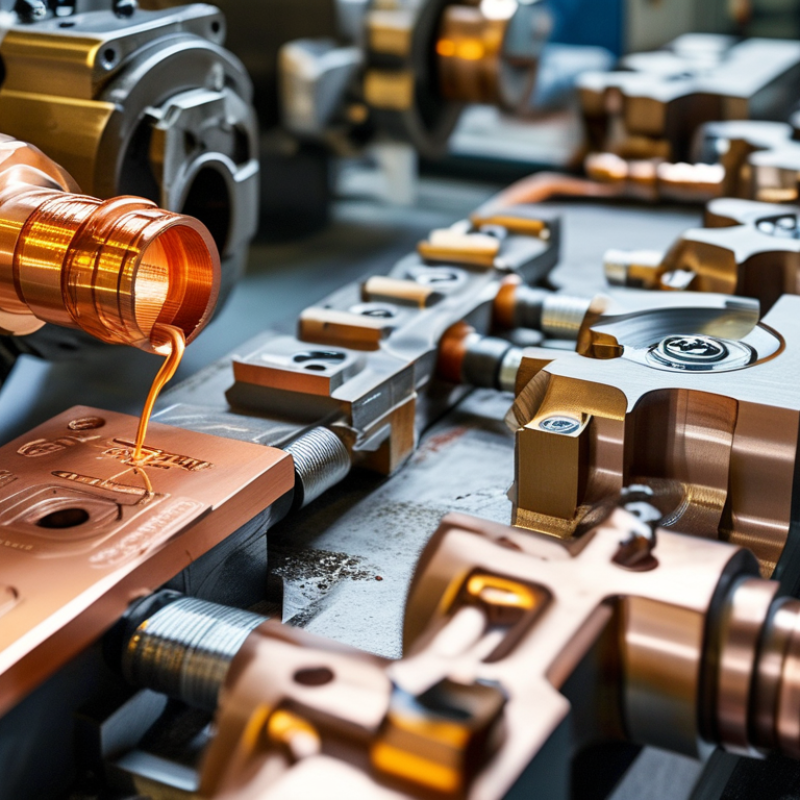
Copper Machining in China: Industry Scope and Manufacturing Capabilities
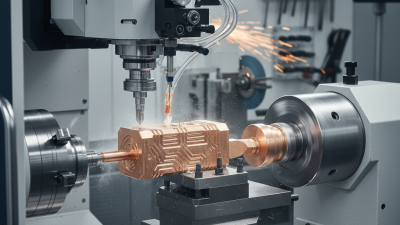
China’s copper machining sector serves electrical, plumbing, automotive, energy, and industrial equipment markets. Manufacturers produce terminals, connectors, valve parts, bushings, heat-conductive components, and custom assemblies. The work ranges from simple turned parts to complex milled housings. Copper’s high conductivity improves performance, but its softness can cause burrs, tool wear, and dimensional drift. This creates practical demands on cutting speed, coolant control, and tool selection.
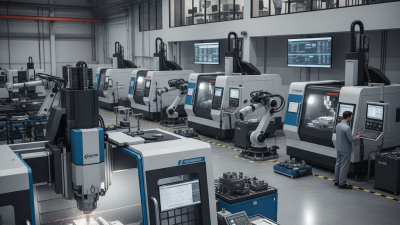
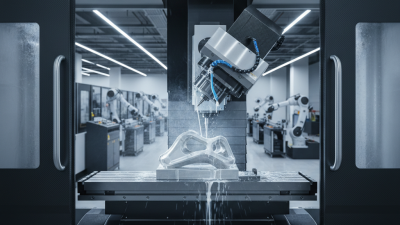
Capabilities vary by workshop. Experienced facilities combine CNC turning, milling, drilling, tapping, and precision grinding. Multi-axis equipment supports angled features and fewer setup errors. Engineers commonly inspect critical diameters with micrometers, gauges, and coordinate measuring systems. For repeat orders, documented process settings can improve consistency. Some suppliers also offer deburring, plating coordination, laser marking, and assembly support. Yet capability claims need verification. Buyers should request sample reports, material certificates, and clear tolerance information.
Reliable production depends on more than modern machines. Incoming material checks confirm copper grade and batch identity. In-process gauges catch deviations before large quantities are completed. Final inspection records may include dimensions, surface finish, burr control, and packaging checks. Export preparation includes moisture protection, separators, and labeled cartons. Communication matters. Technical drawings should define alloy, hardness, tolerance, thread details, and inspection points. A useful factory audit may reveal strong equipment but weak documentation. That weakness is easy to overlook. Feedback from trial production should shape the next revision.
China’s refined copper output increased steadily from 2019 to 2023, indicating a growing domestic supply base for copper machining, fabrication, and related manufacturing activities. The figures are rounded annual production values in million metric tonnes and describe industry scale rather than the performance of any individual company.
Key Copper Machining Processes and Quality Standards
Copper machining demands more than fast cutting and bright surfaces. Common processes include CNC turning, milling, drilling, tapping, and precision slotting. Copper conducts heat quickly, so poor tool geometry can create burrs, smeared edges, or dimensional drift. Sharp carbide tools, controlled feed rates, and suitable coolant help protect the workpiece.
Material verification should happen before machining. Common grades include electrolytic and high-strength copper alloys, each requiring different cutting conditions. Buyers should request certificates showing chemical composition, conductivity, and mechanical properties. Drawing tolerances must be checked with calibrated micrometers, gauges, and coordinate measuring machines. Critical parts may also need surface roughness testing, thread inspection, and visual checks under strong lighting.
Quality systems should follow recognized frameworks, such as ISO 9001, while material and dimensional requirements should match the applicable ASTM, EN, or customer specification. Batch numbers, inspection records, and process revisions improve traceability. A first-article inspection can expose fixture errors before mass production begins. Still, no inspection plan is perfect. A clean report may miss tool wear during a late production run. Experienced manufacturers therefore combine sampling with in-process checks and final inspection. Copper parts should arrive free from sharp burrs, stains, embedded chips, and packaging damage. Small details matter.
Selecting the Right Chinese Supplier for Global Purchasing Needs
Selecting a Chinese copper machining supplier requires more than comparing hourly rates. The International Energy Agency’s Global Critical Minerals Outlook 2024 estimates copper demand may rise from about 26 million tonnes in 2023 to 31 million tonnes by 2030. That pressure can expose weak capacity planning. Ask for machine availability, spindle capability, material certificates, and subcontracting controls. A factory tour helps. So does reviewing a similar part in production.
Technical fit should be tested against drawings, not promises. Confirm tolerance capability, surface-finish measurement, burr control, and inspection frequency. Request a first-article report with CMM results, gauge calibration dates, and heat-lot traceability. ISO 9001 certification provides useful evidence, but it cannot prove stable production. The U.S. Geological Survey’s Mineral Commodity Summaries 2024 reported global copper mine production near 22 million tonnes in 2023. That is mined copper, not finished machining stock.
Commercial reliability matters equally. Compare landed cost, packaging, export documents, lead-time buffers, and response ownership. Require a pilot batch before larger commitments. Keep inspection rights in writing. I would not select the cheapest quotation automatically. It may exclude deburring, rejected parts, or tooling replacement. One uncomfortable point: remote audits can miss rushed operators and mixed material bins. Use independent pre-shipment inspection for early orders, then adjust after evidence. Record corrective actions, not merely supplier promises.
Export, Compliance, and Partnership Considerations for Buyers
For global buyers, choosing a copper machining supplier involves more than comparing unit prices.
Export readiness should be tested before the first purchase order. Ask for material certificates, dimensional inspection records, and clear traceability from bar stock to packed parts. A reliable manufacturer can explain its quality system without hiding behind general claims. Request the applicable HS code, country-of-origin details, and commercial invoice format early. Small errors can delay customs clearance.
Compliance depends on the final application and destination market.
Confirm restricted-substance requirements, surface-treatment declarations, and documentation for RoHS or REACH where relevant. Do not accept copied certificates. Check the issuing laboratory, test date, sample description, and consistency with the actual copper grade. A pre-shipment inspection should verify thread fit, burr control, surface finish, and quantity.
Measure real parts, not promises.
A strong partnership is visible in routine communication.
Agree on drawings, revision control, tolerances, packaging, payment terms, and Incoterms in writing. Set a pilot batch with agreed acceptance limits, then review defects openly. Lead-time estimates should include machining, inspection, packing, and port handling. Not every delay means poor performance; unclear drawings often cause it.
One weakness remains common: buyers approve samples but neglect production change control. That gap can create expensive surprises.
Keep a shared corrective-action record, schedule periodic audits, and require prompt notice when materials, equipment, or subcontracting changes.