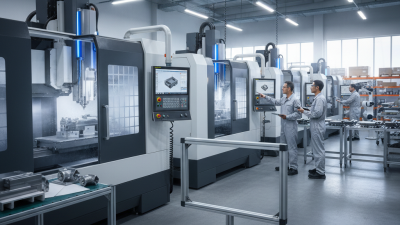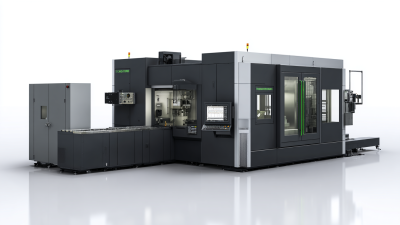

Buying a CNC machine is a major decision, especially when one mistake can consume floor space, cash, and weeks of production time. The right choice depends on your materials, part dimensions, tolerances, operator skills, and expected workload. A compact workshop may need a rigid three-axis mill, while a production floor may require automation, probing, and reliable chip evacuation. Brochures rarely show the whole story.
Peter Zelinski, editor-in-chief of Modern Machine Shop, has emphasized this practical principle: “The best machine is the one that fits the work you need to do.” That idea anchors these seven buying tips. They examine machine type, working envelope, spindle performance, control systems, service support, total ownership costs, and future capacity. Pay attention to details you can touch. Open the enclosure. Inspect the way covers, tool changer, coolant system, and control interface are built. Ask to see comparable parts being machined.
Do not trust impressive specifications alone. A fast spindle may still struggle with heavy cuts. A low purchase price may hide expensive maintenance. I have also learned that operator comfort matters more than many buyers expect. A confusing control can slow every setup. No checklist is perfect. Your first estimate may be wrong. Revisit it after speaking with machinists, service technicians, and experienced users. A careful decision today can prevent a costly machine-shaped problem tomorrow.
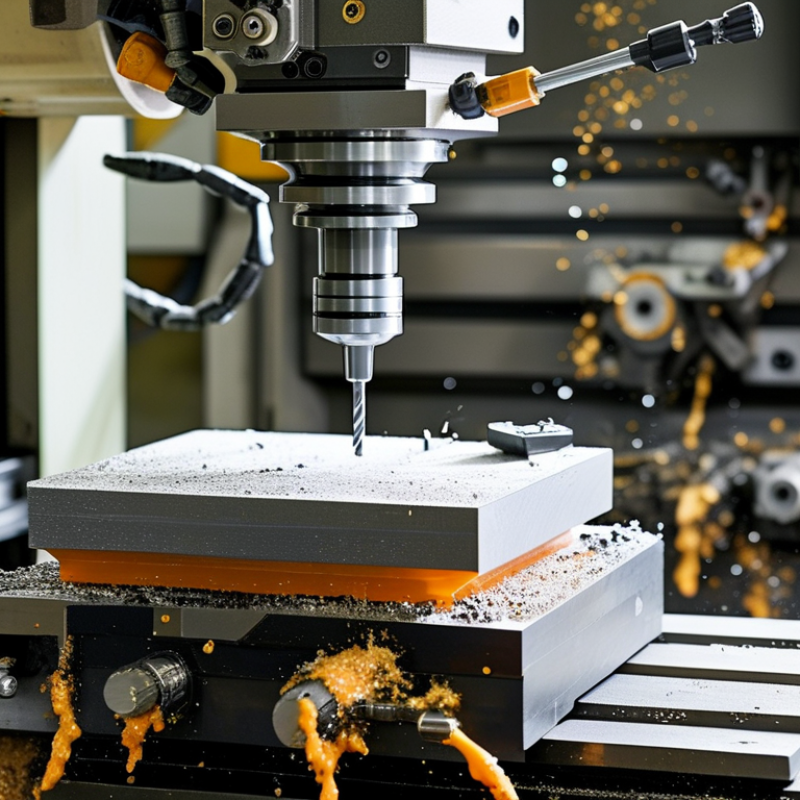
7 Tips for Buying a CNC Machine?
Define Your CNC Machining Goals and Material Requirements
Start with the parts you actually need to produce. List their dimensions, tolerances, surface finishes, and expected monthly quantity. Keep it measurable. A machine for occasional aluminum brackets may not suit hardened steel components. Do not guess. That mistake gets expensive.
Review your material requirements carefully. Aluminum cuts easily, while stainless steel demands stronger cutting capacity and better heat control. Plastics create different problems, including melting, distortion, and chip evacuation. Consider the largest workpiece, its weight, and how it will be secured. A small sample part can hide serious production limits.
Think beyond the machine’s advertised travel. Check spindle power, speed range, tool capacity, axis accuracy, and repeatability. Ask for test-cut results using material similar to yours. Reliable suppliers should provide clear specifications, service information, and training details. Independent reviews and local technical support also deserve attention. In practice, many buyers focus on speed and overlook setup time. I would not pretend this choice is simple. Your first production estimate may be wrong. Recheck it against real drawings, inspection methods, and operator skill. A slower machine with stable results may serve your goals better than a faster machine that struggles with every demanding job.
7 Tips for Buying a CNC Machine
Compare machine types before comparing prices. A router suits wood, plastics, and lighter sheet materials. A mill handles metal with greater rigidity and controlled cutting. A lathe is better for shafts, bushings, and round components. Tip 1: Match the machine to your material. Tip 2: Count the axes carefully. Three axes cover many flat parts, while four or five axes reduce repositioning. More axes also increase programming demands. Be realistic.
Tip 3: Measure your largest planned workpiece, including clamps and tool movement. A generous table is useful, but it consumes floor space. Tip 4: Check cutting capacity, not just table dimensions. Review maximum material thickness, spindle power, travel distance, and tool clearance. I once underestimated clamping space and lost valuable working area. That mistake still influences my buying decisions.
Tip 5: Examine rigidity through frame construction, guide systems, and weight. Vibration leaves visible marks on metal edges. Tip 6: Confirm accuracy and repeatability separately. Ask for test results under practical cutting conditions. Tip 7: Check electrical requirements, software compatibility, maintenance access, and operator training. Request technical documents, service procedures, and realistic tolerance data. A machine may look impressive during a demonstration, yet perform differently with your tools and materials. Leave room for doubt. Reliability comes from evidence, not promises.
7 Tips for Buying a CNC Machine?
Accuracy should be tested, not accepted from a brochure. Ask for a cutting sample using your intended material and thickness. Measure hole diameter, edge squareness, and repeatability after several cycles. A machine that holds tight tolerances for ten minutes may drift during a full shift. I once trusted a specification sheet and overlooked thermal expansion. That mistake cost more than expected.
Speed matters, but faster is not always better. Compare cutting speed, acceleration, tool-change time, and setup time together. Watch the machine under load, not during an empty demonstration. Check whether the frame stays stable when the spindle changes direction. Controls should feel clear from the first operation. Inspect screen visibility, emergency access, manual jogging, and alarm messages. Poor instructions can slow skilled operators. They can also create avoidable errors.
Software compatibility deserves careful attention. Confirm file formats, post-processors, tool libraries, and updates before purchasing. Test one real design from your current workflow. A file that opens correctly may still produce incorrect toolpaths. Ask who handles troubleshooting and how quickly support responds. Review training, spare parts, and maintenance access. My early evaluations focused too heavily on cutting performance. I now examine the entire workflow, because software friction and small calibration issues often decide daily productivity.
Calculate the full purchase cost, not only the machine price. Include tooling, software, delivery, taxes, and operator training.
Tip 1: Request an itemized quotation. My first estimate was too optimistic because small accessories added hundreds of dollars.
Tip 2: Measure the installation area carefully. Leave space for loading material, servicing panels, and removing chips. Check floor strength, electrical capacity, ventilation, and compressed-air requirements before signing anything.
Tip 3: Estimate installation costs with local technicians. Wiring, leveling, extraction, and foundation work can change the budget quickly.
Tip 4: Build a maintenance allowance into every production hour. Include lubricants, filters, coolant, replacement tools, and scheduled inspections. Keep records. They reveal patterns that memory misses.
Tip 5: Ask for maintenance intervals and typical replacement-part prices. Some machines appear inexpensive but require costly service after heavy use.
Tip 6: Calculate operating costs using your actual workload. Add electricity, coolant, tooling wear, labor, scrap, and idle time. A machine running six hours daily may consume more than expected during setup.
Tip 7: Compare cost per finished part, not cost per hour alone. Request sample cycle data for your materials and tolerances. Verify those figures with a test cut when possible. My calculation still missed occasional rework, so I would include a small contingency fund.
Tip 1: Verify supplier support before discussing price. Ask how quickly technicians respond, which channels they use, and whether spare parts are locally available. A reliable supplier should explain the process clearly, not promise instant solutions. Tip 2: Request training details. Confirm whether training covers setup, tooling, maintenance, and operator safety. Hands-on practice matters more than a polished presentation.
Tip 3: Check the warranty line by line. Identify covered components, labor limits, travel costs, and response times. Vague wording can create expensive surprises later. Tip 4: Ask for references from workshops using similar materials and production volumes. Speak with those users directly, if possible. Their machines may reveal problems that brochures hide.
Tip 5: Inspect machine reliability through test cuts, repeatability checks, and sample parts. Measure dimensions after several cycles, not only once. Tip 6: Review maintenance records and common failure points. A machine with strong accuracy but poor service access can become a burden. Tip 7: Evaluate the supplier’s technical knowledge during your questions. Do they ask about your workload, tolerances, floor space, and operators? That conversation is evidence. I once focused too heavily on specifications and overlooked training quality. The machine performed well, but the learning curve caused avoidable delays. This is not a perfect buying method, but careful verification reduces costly uncertainty.
| No. | Buying Tip | What to Verify | Practical Evidence | Reasonable Benchmark | Warning Signs |
|---|---|---|---|---|---|
| 1 | Check Supplier Experience | Confirm how long the supplier has built or integrated the specific CNC machine type, and whether it has experience with the intended material and processes. | Request a technical specification sheet, installation references, sample parts, and contact details for comparable users where disclosure is permitted. | The supplier should provide consistent technical answers, documented specifications, and verifiable application experience. | Unclear machine origin, inconsistent specifications, no application examples, or pressure to place an order before technical review. |
| 2 | Verify Technical Support | Review the support channels, service hours, response process, remote-diagnostic capability, spare-parts availability, and local service coverage. | Ask for the support procedure, escalation contacts, spare-parts list, service-area details, and examples of maintenance documentation. | Support responsibilities, response targets, travel charges, and parts lead times should be stated in writing before purchase. | Only a generic sales contact, no service escalation path, uncertain parts sourcing, or support limited to informal messages. |
| 3 | Confirm Operator Training | Determine whether training covers machine operation, programming, tooling, workholding, inspection, maintenance, and safety procedures. | Obtain a course outline, training duration, delivery method, trainee limit, training materials, and post-training support terms. | Training should include hands-on operation and machine-specific documentation, not only a brief demonstration at delivery. | Training is excluded, limited to a few hours without documentation, or provided only after repeated requests. |
| 4 | Read the Warranty Carefully | Check the warranty period, covered components, exclusions, labor coverage, travel costs, transportation responsibility, and claim procedure. | Request the complete warranty document and confirm whether the coverage starts at shipment, delivery, installation, or acceptance. | The warranty should clearly define coverage for major mechanical, electrical, and control-system defects and state repair or replacement responsibilities. | Broad exclusions, undocumented verbal promises, unclear start dates, or customer-paid costs for defects covered in principle. |
| 5 | Test Machine Reliability | Evaluate repeatability, positioning accuracy, spindle performance, thermal stability, cycle consistency, and performance under the intended workload. | Run a witnessed test using representative material, tooling, tolerances, cutting parameters, and a documented inspection method. | Acceptance values should be agreed in advance and measured with calibrated instruments appropriate to the required tolerance. | Testing uses only light cuts, unsuitable materials, unverified measurements, or results that cannot be reproduced. |
| 6 | Assess Maintenance and Parts | Review preventive-maintenance intervals, lubrication requirements, consumable items, critical spare parts, service tools, and expected maintenance skills. | Ask for maintenance schedules, parts diagrams, recommended inventory, troubleshooting guides, and typical replacement lead times. | Routine maintenance tasks, responsible personnel, required tools, and parts-ordering procedures should be documented before commissioning. | No preventive-maintenance plan, proprietary parts with no supply commitment, or costly service requirements not disclosed during quotation. |
| 7 | Use a Written Acceptance Plan | Define machine specifications, included accessories, installation conditions, training deliverables, test parts, acceptance criteria, and final-payment conditions. | Attach a signed acceptance checklist covering dimensions, capacity, accuracy, repeatability, software functions, safety features, and documentation. | Every promised performance value and included item should appear in the quotation, purchase contract, or acceptance protocol. | Important promises remain verbal, acceptance criteria are missing, or the buyer must pay the balance before testing unresolved issues. |